
Introduction
Every successful hair brand starts with a simple idea, but not every entrepreneur wants to invest in a factory, expensive machinery, or a huge inventory.
That’s where a Private Label Hair Business changes the game.
Imagine selling premium hair extensions, wigs, and bundles with your own brand name, your own packaging, and your own identity, while an experienced manufacturer takes care of production. You focus on building the brand, attracting customers, and growing your business.
What is a Private Label Hair Business?
A private label hair business is a model where a manufacturer produces hair products, and you sell them under your own brand.
Instead of promoting someone else’s company, you create your own identity with:
- Custom logo
- Branded packaging
- Personalized labels
- Unique marketing strategy
- Your own website and social media
Customers see your brand, not the manufacturer behind it.
Why is the Hair Industry So Profitable?
Hair isn’t just a beauty product anymore.
It’s part of fashion, self-expression, and confidence.
People buy hair extensions for:
- Daily styling
- Weddings
- Parties
- Professional appearances
- Content creation
- Fashion trends
Many customers become repeat buyers, making the hair business highly attractive for entrepreneurs.
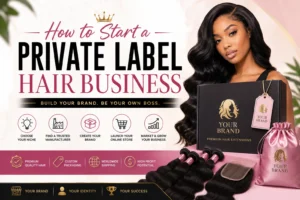
Step 1: Choose Your Business Model
Before selling, decide who your customers will be.
Retail Sales
Sell directly to individual customers through your website.
Wholesale Business
Supply salons, beauty stores, and distributors.
Online Brand
Use Instagram, Facebook, TikTok, and eCommerce platforms.
Hybrid Model
Combine retail and wholesale for faster growth.
Knowing your audience helps you build the right product collection.
Step 2: Find a Reliable Hair Manufacturer
Your manufacturer is the backbone of your business.
A trusted supplier should offer:
- 100% human hair
- Consistent quality
- Private labeling services
- Bulk order capability
- Worldwide shipping
- Quality control standards
Always request product samples before placing large orders.
A good manufacturer becomes a long-term business partner.
Step 3: Build Your Brand Identity
Customers don’t just buy hair—they buy brands they trust.
Think about:
Brand Name
Choose something memorable and easy to pronounce.
Logo Design
Keep it elegant and professional.
Packaging
Luxury boxes and branded bags increase perceived value.
Brand Story
People connect with businesses that have a purpose.
A strong brand helps you stand out in a competitive market.
Step 4: Select the Right Products
Don’t try to sell everything at once.
Start with your best opportunities.
Popular private label products include:
- Raw Hair Extensions
- Virgin Hair Extensions
- Clip-In Hair Extensions
- Tape-In Hair Extensions
- Lace Front Wigs
- Hair Bundles
- Closures and Frontals
As your business grows, expand your collection.
Step 5: Create an Online Store
In today’s market, your website is your showroom.
Your website should include:
- Professional product photos
- Detailed descriptions
- Easy navigation
- Secure payment options
- Customer reviews
- Mobile-friendly design
A clean website builds trust instantly.
Step 6: Use Social Media to Grow
Some of the biggest hair brands became successful through social media.
Focus on platforms like:
Show before-and-after transformations.
Build a community around your brand.
TikTok
Short styling videos can reach millions.
Hair inspiration images attract buyers.
Consistency matters more than perfection.
Step 7: Learn Basic Digital Marketing
You don’t need a huge advertising budget.
Simple marketing strategies can generate strong results.
SEO
Optimize your website for keywords like How to Start a Private Label Hair Business and related hair products.
Content Marketing
Write helpful blogs that answer customer questions.
Email Marketing
Keep customers updated with offers and new arrivals.
Influencer Marketing
Partner with beauty creators to build trust.
Marketing turns visitors into customers.
Step 8: Deliver Outstanding Customer Service
The easiest way to grow is through repeat customers.
Always provide:
- Fast responses
- Clear communication
- Honest product information
- Reliable shipping
- Easy support
Happy customers recommend your brand to others.
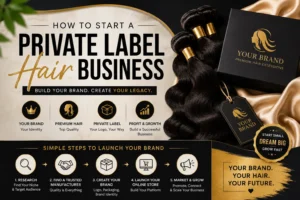
Common Mistakes New Hair Entrepreneurs Make
Many beginners fail because they:
- Choose suppliers based only on low prices.
- Ignore branding.
- Skip product testing.
- Have no marketing strategy.
- Expect instant success.
Building a strong hair brand takes patience and consistency.
How Much Money Do You Need?
One of the biggest advantages of private labeling is flexibility.
You don’t always need a massive investment.
Many entrepreneurs begin with a small inventory and reinvest profits as they grow.
Starting smart is often better than starting big.
Why Private Label Hair Businesses Succeed
Private labeling gives you advantages that traditional businesses often don’t have.
You can:
- Build your own brand
- Control pricing
- Create loyal customers
- Expand internationally
- Scale at your own pace
You’re creating a business asset that can grow for years.
Why Choose a Trusted Private Label Hair Manufacturer?
A professional manufacturer offers:
Premium Human Hair
High-quality products customers love.
Custom Branding
Boxes, bags, labels, and packaging.
Competitive Pricing
Higher profit margins.
Bulk Production
Support for growing businesses.
Final Thoughts
Starting a Private Label Hair Business is not just about selling hair; it’s about creating a brand that people trust and remember.
With the right manufacturer, premium products, strong branding, and smart marketing, you can build a business that grows year after year.
Every successful hair brand started with a single decision to begin.